I can’t go back.
Math Joke: I tried to clean up my math homework, but division kept leaving remainders behind.
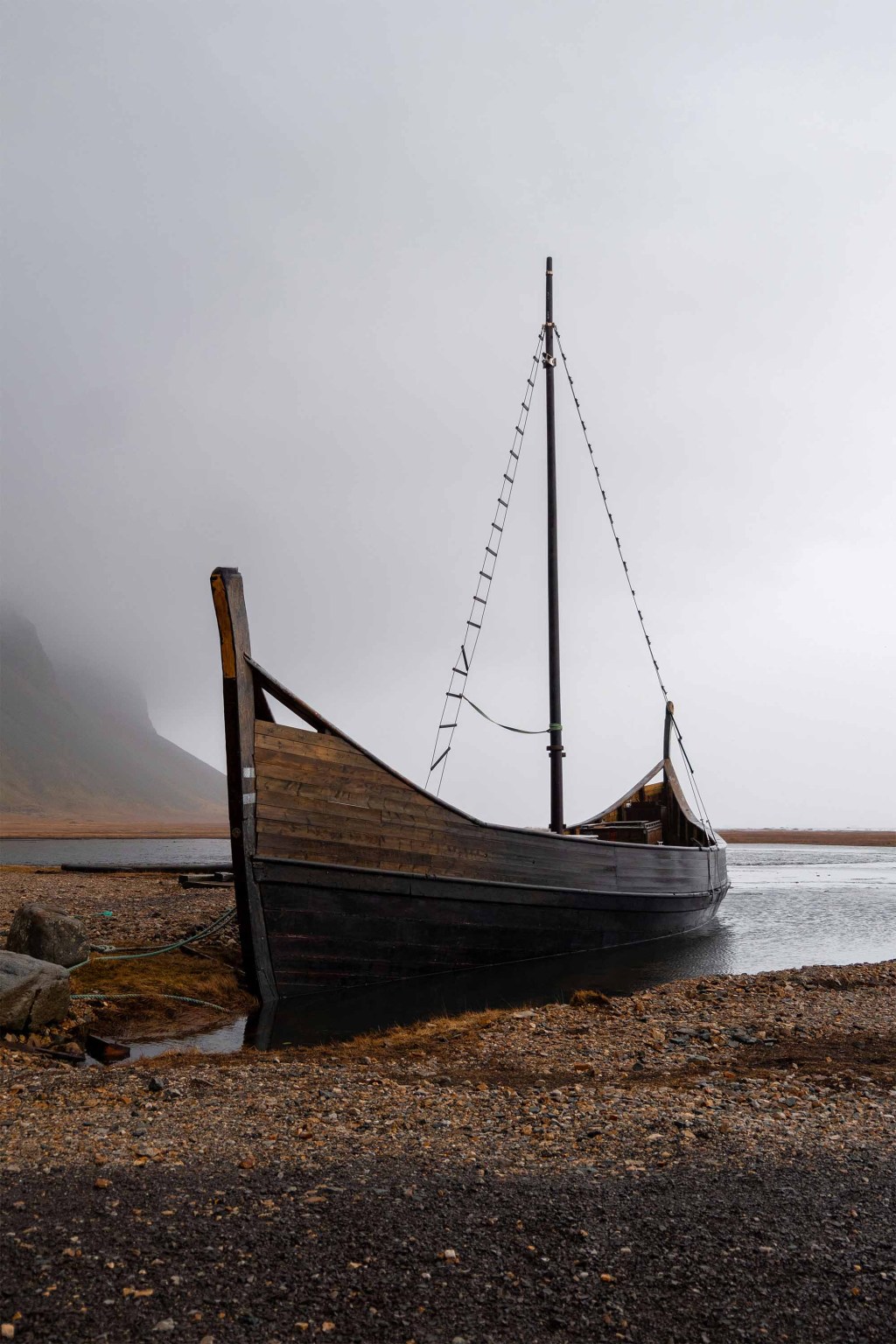
Throughout history, a peculiar attack strategy emerged. Most commonly attributed to Cortés in the 16th century, some invading generals would order their men to “burn the ships”. Sometimes figuratively, sometimes literally.
What’s the point of this? Why would you intentionally burn your ships? And why does Jesus ask us to “burn the ships” of our past to follow Him? Human nature, sadly, prefers to get stuck in the past. As I mentioned last week, Jesus calls us to move forward and accomplish work for His Kingdom. If we live in the past, we can’t experience what He’s doing in the present. To do that, we must shift our mindset…
180 Degrees
My dad once told me about this intriguing war strategy, and I knew it had to work its way into a blog post.
Burn the Ships
“Burn the boats as you enter the island and you will take the island.”
-Napoleon Hill
Let me do some explaining. When military leaders (such as Cortés, and allegedly the Vikings) landed on a new island, the commanders would oftentimes order their men to burn the ships. We can’t know all the details of how often this happened or exactly why, but there is a common thread: Burning the ships destroys the way back and forces you to move forward.
If you can retreat to your boats the moment things go south, how eager will you be to fight? But if you have no way back other than conquering the enemy, you’re going to fight with 110% of your strength.
There are parallels between burning the ships and cutting ourselves off from the past. Jesus knows that we cannot be effective ministers for His Kingdom if we dwell on the past. That’s why He issued a command similar to Cortés’s…
Leave Your Nets
“Come, follow Me, and I will show you how to fish for people!”
-Jesus
While Jesus never suggested burning any boats, He knew His followers would pay a price. Immediately after calling Simon and Andrew, Scripture records: “And they left their nets at once and followed Him.” (Matthew 4:20)
Simon, Andrew, and the other disciples left their nets to follow Jesus. But they left more than just fishing nets; they left their old lives behind. If Jesus had let them continue fishing while following Him, they would’ve reverted to fishing the second things got hard. After Jesus dies, this is exactly what Simon does (John 21:1-3).
Isaiah 43:18-19 (NIV) says, “Forget the former things; do not dwell on the past. See, I am doing a new thing! Now it springs up; do you not perceive it? I am making a way in the wilderness and streams in the wasteland.”
Jesus doesn’t call us to leave our nets (aka our old lives) and do nothing. Like Cortés’s men, Jesus calls us to go out and “conquer” the nations. If Simon and Andrew had ignored Jesus’ call, their lives would’ve continued as normal. But I promise you no one would know their names today. It’s only because they exchanged their past for a new future that they made an impact. Jesus has a greater purpose for us, but we must leave our old lives of sin.
Cortés gathered for himself an earthly Kingdom that did not last. Jesus invites you to be part of His eternal Kingdom, which will last forever.
No Going Back
“So light a match, leave the past, burn the ships.”
–For King & Country, “Burn the Ships“
Burning the ships forces us to advance or die. Jesus’ command to leave the nets behind forced the disciples to follow Him wholeheartedly. We can’t fully depend on God while depending on something else. In Western culture, it’s easy for me to become dependent on everything we have: a house, a job, electricity, grocery stores, cars, etc.
We often trust the things God has given us, instead of God Himself. Case in point, last weekend our power went out. You can’t realize how much you depend on something until it’s gone. It’s the same with media, food, and everything else God gives us. We are to rely on God, not what He has given us.
It Depends…
Are we trusting God to guide our future, or depending on ourselves? I’ll make this personal: I struggle with finding a balance between being too proactive and waiting on His timing. Just last week I fell victim again. So I hopped into prayer.
God is good, my friend. After confessing this to Him, I asked for His guidance. I surrendered what I wanted before God, and left my agenda behind. I “left my nets” and told God I would follow His leading. In under a week, a half-dozen new projects “magically” appeared on my plate – all related to what I’d been praying about.
When Cortés told his men to burn the ships, he forced them to wholeheartedly embrace their quest. He wanted their gaze fixed solely on the future. Jesus asks us to remember the past (so we don’t repeat it), but He also wants us to surrender it before Him. Whatever you’ve done, whoever you were, no matter what – He wants you. Jesus wants you to leave your past and depend on Him.
Are you willing to “burn the ships” to follow Jesus? I recently read Nabeel Qureshi’s autobiography, Seeking Allah, Finding Jesus. In it, he says the hardest thing he ever did was tell his family he walked away from Islam. Nabeel had his priorities straight – God comes before anything else, even our family and our old life. Jesus cares for us that much, and He offers something so much better. He will turn lowly fishermen into fishers of men (and women).
As Nabeel realized, there’s only one catch: Leave your nets behind. Leave your past behind. Leave your earthly sense of security, and replace it with God’s security. Because of Christ’s sacrifice, our sinfulness and our brokenness do not define us. Christ defines us. I won’t quote Jeremiah 29:11 because most of you probably know it, but He has that kind of plan.
As Paul (who gave up everything) said in Philippians 4:19 (NLT)…
“And this same God who takes care of me will supply all your needs from His glorious riches, which have been given to us in Christ Jesus.”



 Writing, Life, Faith
Drop a Comment